


Beyond the Blog: Why WordPress is the Unbeatable Engine of the Modern Web
It’s the quiet hum of the internet. While you scroll through your favorite news site, browse a sleek online store, or book an appointment with a local artist, there’s a good chance you’re interacting with a piece of software that started with a simple, singular purpose: blogging. That software is WordPress. It powers over 43% of all websites on the internet. Let that sink in. Nearly half the web, from the blog you read this morning to the Fortune 500 company you work for, runs on WordPress. But here’s the paradox that fascinates me: most people who start a WordPress blog today aren’t just blogging. They are building a business, a portfolio, a community, and a digital home.
I’ve built my career on this platform. I’ve felt the frustration of a broken plugin at 2 AM and the exhilaration of a site handling thousands of visitors without a hiccup. This isn’t a generic “how-to” guide. This is a love letter, a critical analysis, and a strategic map for anyone wondering if WordPress is still the king of the hill in 2024.
From Humble Beginnings to Web Dominance: A Brief History
To understand WordPress, you have to know where it came from. In 2003, a 19-year-old Matt Mullenweg and his collaborator Mike Little forked an existing blogging tool called b2/cafelog. Their philosophy was simple, yet revolutionary: publishing should be beautiful, accessible, and open to everyone.
This was the birth of the open-source model that defines WordPress today. Unlike closed, proprietary systems, its code was free for anyone to use, modify, and distribute. This created a global community of developers, designers, and users who collectively built the platform into what it is today.
From a simple tool for personal diaries, it evolved through versions that introduced game-changers:
- Plugins (2004): Allowing anyone to extend functionality without touching the core code.
- Themes (2005): Separating design from content, making visual overhauls instantaneous.
- The WordPress Repository: Creating a trusted, centralized hub for free plugins and themes.
This community-driven approach is its superpower. As reported by W3Techs, its market share has consistently climbed, cementing its position as the undisputed leader.
The WordPress Ecosystem: More Than Just Software
When people say “WordPress,” they’re often referring to one of two distinct things, and confusing them is the source of most beginner frustration.
WordPress.com vs. WordPress.org: The Critical Choice
This is the most important decision you’ll make, and the difference is profound.
| Feature | WordPress.org (The “Real” WordPress) | WordPress.com (The Hosted Service) |
|---|---|---|
| Cost | Software is free. You pay for web hosting and a domain. | Free plan with limitations. Paid plans for more features. |
| Control | Full control. You can install any theme, plugin, and modify any code. | Limited control. Restricted to approved themes and plugins on higher plans. |
| Monetization | Keep 100% of your revenue. Use any ad network, affiliate link, or e-commerce solution. | Restrictions on ad placement; you share revenue on the free plan. |
| Maintenance | You are responsible for updates, security, and backups. | Automattic handles technical maintenance for you. |
| Best For | Businesses, serious bloggers, developers, and anyone who wants full ownership. | Hobbyists, personal bloggers who prioritize convenience over control. |
WordPress.org is the self-hosted, open-source software. It’s what the pros use. You download it and install it on a hosting provider like SiteGround or WP Engine. You own your site completely.
WordPress.com is a commercial, hosted service run by Automattic, a company founded by Matt Mullenweg. It’s a simplified, “walled-garden” version of WordPress.
My verdict? For anyone serious about building a long-term, flexible, and potentially profitable asset, WordPress.org is the only choice. The initial learning curve is steeper, but the freedom is worth its weight in gold.
The Power of Plugins and Themes
This is where the magic happens. The core WordPress software is powerful, but its true potential is unlocked by its ecosystem.
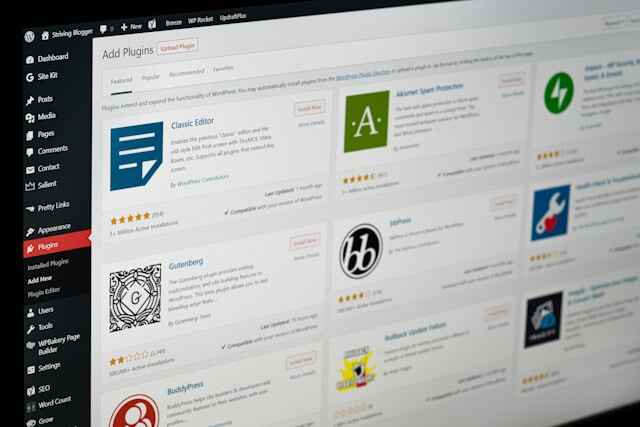
- Plugins: Think of them as apps for your website. Need an online store? Install WooCommerce. Need an email list? OptinMonster or ConvertKit have you covered. There are over 60,000 free plugins in the official directory alone. They are the reason a WordPress blog can transform into a membership site, a learning management system (LMS), or a corporate intranet.
- Themes: Your theme is your site’s clothing. It dictates the design, layout, and user experience. From ultra-fast, lightweight themes like GeneratePress to multi-purpose powerhouses like Astra, the choice is endless. The key is to choose a well-coded, lean theme that prioritizes performance.
The Unvarnished Truth: Challenges and Criticisms
WordPress is not perfect. Ignoring its flaws is a disservice. After building dozens of sites, here are the real struggles.
The Maintenance Burden
A self-hosted WordPress blog is like a house; it requires regular upkeep. You are responsible for:
- Core WordPress updates
- Plugin and theme updates
- Security monitoring and hardening
- Regular, off-site backups
If you neglect this, your site becomes slow, vulnerable to hackers, and can break. This is the “tax” you pay for full control. Using a managed WordPress host can significantly reduce this burden by handling technical updates for you.
The Bloat and Performance Problem
It’s a common critique: “WordPress is slow and bloated.” But this is often a user-created problem. Installing a dozen heavy plugins, using a poorly coded “drag-and-drop” theme, and stuffing pages with unoptimized images will make any platform slow.
The truth is, a properly configured WordPress site can be incredibly fast. With caching plugins like WP Rocket, a lightweight theme, and a good CDN like Cloudflare, you can achieve top-tier performance scores.
Security: A Constant Target
Because WordPress is so popular, it’s a giant target for hackers. Most security breaches, however, aren’t due to a flaw in the core software, but from outdated plugins, weak passwords, or poor hosting. Vigilance and good security practices are non-negotiable.
Why I Still Choose WordPress: The Unbeatable Advantages
Despite the challenges, no other platform offers the same combination of power, flexibility, and freedom.
1. Absolute Content Ownership and Portability
This is my number one reason. On platforms like Medium, Wix, or Squarespace, you are a tenant. They can change the rules, increase prices, or even shut down your blog. Your content is on their land.
With a self-hosted WordPress blog, you are the landowner. You own your content, your design, and your user data. You can pick up your entire site and move it to a new host whenever you want. This freedom is priceless.
2. Unmatched Scalability and Flexibility
Your WordPress blog is not trapped in a box. As your goals evolve, your site can evolve with you without starting from scratch.
- Year 1: A simple blog.
- Year 2: Add an email list and a membership area.
- Year 3: Launch an online course and a podcast.
- Year 4: Build a full-fledged e-commerce store.
All of this is possible on the same WordPress installation. It grows with you.
3. The SEO Superpower
WordPress is inherently structured in a way that search engines love. With clean code, semantic markup, and the ability to use powerful SEO plugins like Yoast SEO or Rank Math, you have unparalleled control over your on-page SEO. These tools guide you to optimize your content, manage meta tags, and create sitemaps, making technical SEO accessible to non-developers.
4. A Global Community and Economy
When you hit a problem, you are never alone. The global WordPress community is vast. There are thousands of developers, countless tutorials, and massive events like WordCamp where you can learn and connect. This ecosystem also creates a massive economy; you can build a career as a WordPress developer, designer, writer, or support specialist.
Is a WordPress Blog Right for YOU in 2024?
So, who should use WordPress today?
Choose WordPress if:
- You value long-term ownership and control.
- You have a vision that might expand beyond a simple blog.
- You are willing to learn and handle (or pay for) maintenance.
- SEO and content marketing are central to your strategy.
Consider a simpler alternative if:
- You want a simple, “set-it-and-forget-it” online presence with zero technical involvement.
- You need a single-page portfolio or a very basic brochure site and speed of setup is the top priority.
- You have no interest in learning even the basics of website management.




Pingback: The Strategic Narrative Engine: How to Engineer Stories That Drive Business Growth and Influence - B2 BLOGS